We are a not-for-profit organization that was founded in 1972 and aims to preserve and showcase the Gold Coast’s history from the First Peoples to European settlement, to present day.
We are fully operated by volunteers and have a wonderful history of the Gold Coast Historical Museum. The Gold Coast Historical Museum was built from the ground up through the hard work of volunteers. If you would like to participate there is a plethora of activities that you can be involved with at the Gold Coast Historical Museum, click the volunteers link below.
Engine Room
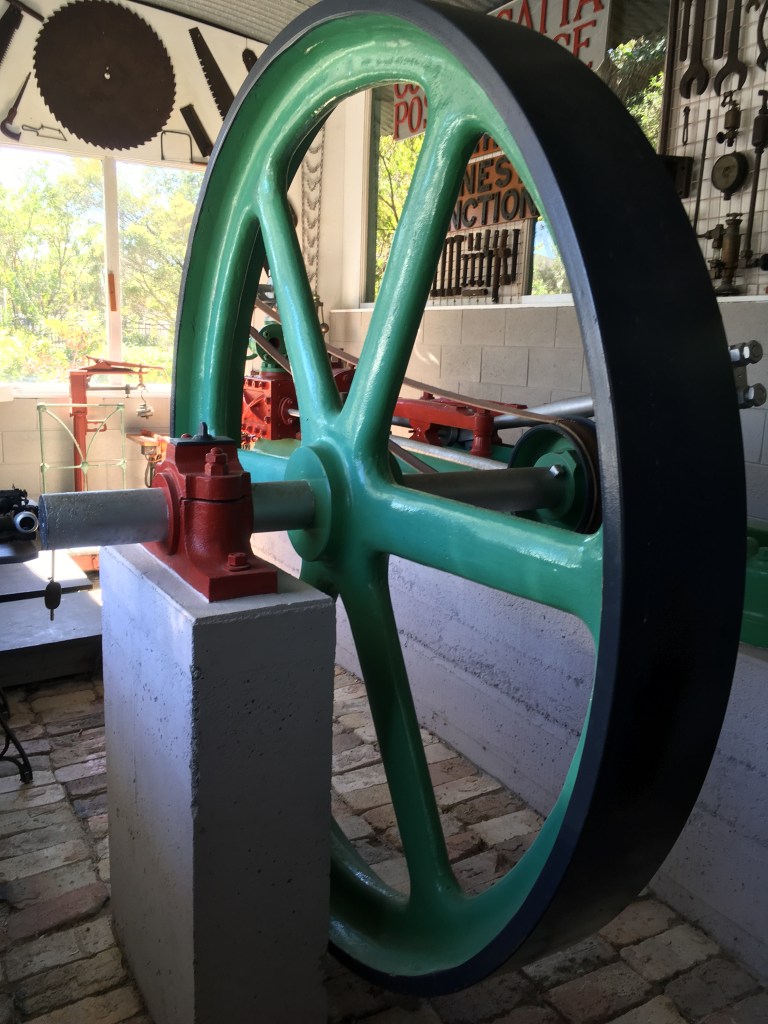
The first building you will see when you enter the museum grounds is the Engine Room. It holds two original steam engines from the Johnston and Freeman Sawmill, which was located in Nind St, Southport.
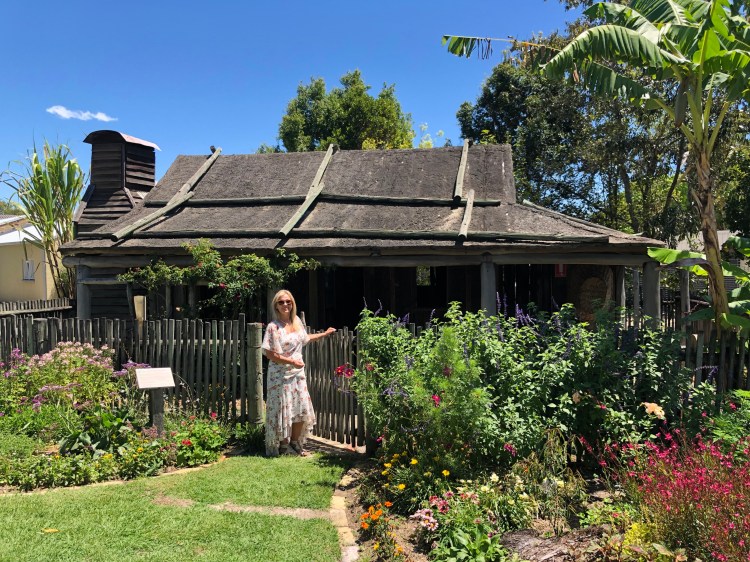
Veivers Cottage
You will find on entry to the Museum a replica of Veivers Cottage built in 1860 by early pioneer timber-getter Robert Veivers. Come and explore the cottage and step back in time and see what life was like for the first European settlers.
Vincent Sheldon Art Studio
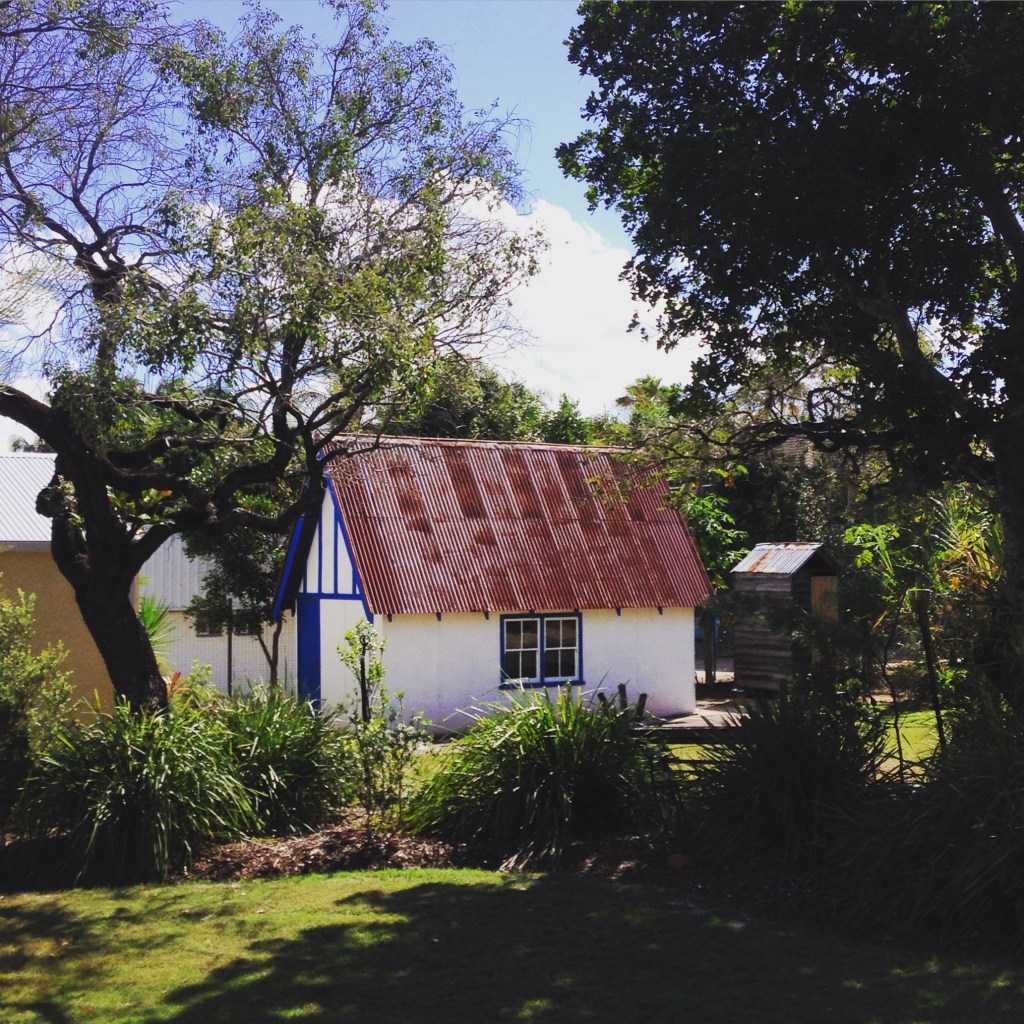
Vincent Sheldon (1895-1945) was a local artist and etcher. This artist’s studio was hand built by Vincent himself in his backyard at Chelsea Ave, Broadbeach in 1940. The studio was relocated to the Museum in 1979, having been donated by his widow Mrs. Cynthia Sheldon in 1976.
John Elliott Building
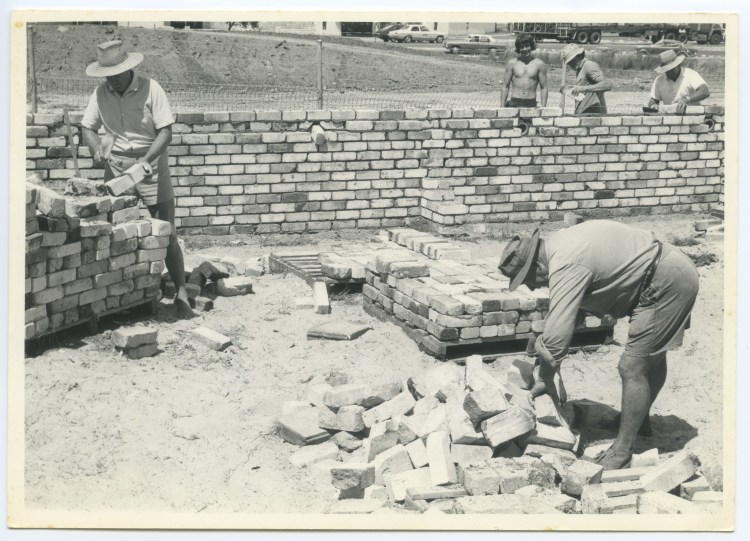
The John Elliott building holds a plethora of exhibits from the Gold Coast’s history. Expect to see displays of the old cable station and even the meter maids!
There is also a separate area to house all of our old photos, books and maps of the Gold Coast area. Come and learn about the evolution of the Gold Coast.
Dolan’s Barn
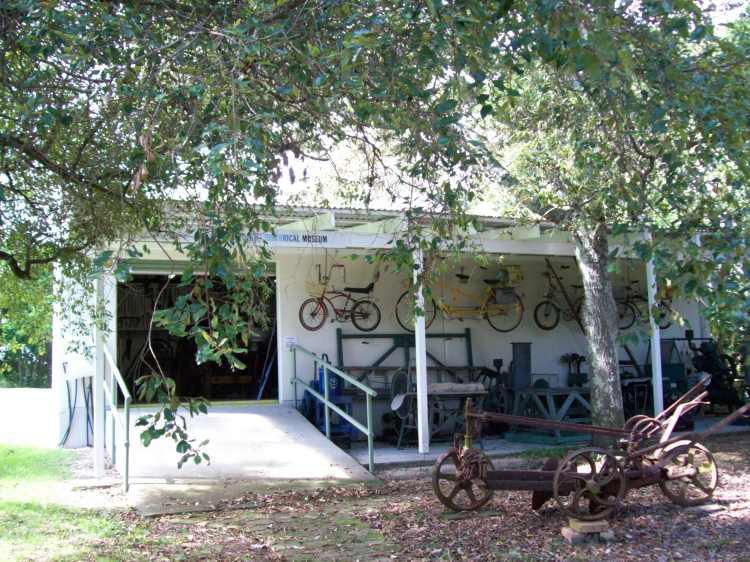
In 1979, Mr. John Dolan generously donated his collection of historical items from the pioneering era. A new building was erected and now holds many historical tools and machinery. A recent donation from Mr John Turner of a 1925 Ford Model T is also located in Dolan’s Barn.
The Gold Coast Historical Museum’s Objectives:
- Preserve and display artefacts relevant to local Indigenous culture prior to European settlement as well as photographs which offer insight into development on the Gold Coast area since.
- Preserve and interpret existing evidence of the botanical and human usage history of the Museum site.
- To gather and share information on collected artefacts and display items of interest in response to Community needs.
- Encourage the use of the collection as an education resource.
 The Gold Coast Historical Museum